
When New Year Isn’t One Day: One way to honour diversity in our schools
Share
As a new school year begins, many communities pause to reflect, reset and look ahead. In Australia, however, New Year does not arrive just once. Across our classrooms and school communities, students and families welcome the New Year at different times and in different ways, shaped by culture, faith, history and family traditions.
At Together for Humanity, we believe that when students feel seen and valued for who they are, they are better able to learn, connect and thrive. By acknowledging and embedding relevant learning content—such as the many ways New Year is celebrated—educators can affirm students’ identities and lived experiences, build intercultural understanding and empathy, and strengthen relationships between schools and families. This helps create learning environments where students feel safe, included and a strong sense of belonging. This is culturally responsive teaching in practice.
New Year Is Not One Story
For many Australians, New Year is celebrated on 1 January, often marked by fireworks, gatherings with family or friends, and resolutions. While this is meaningful for some families, it is not the only New Year observed within our communities. In Australian schools, students celebrate many religious and cultural New Years. Some of these are described below.
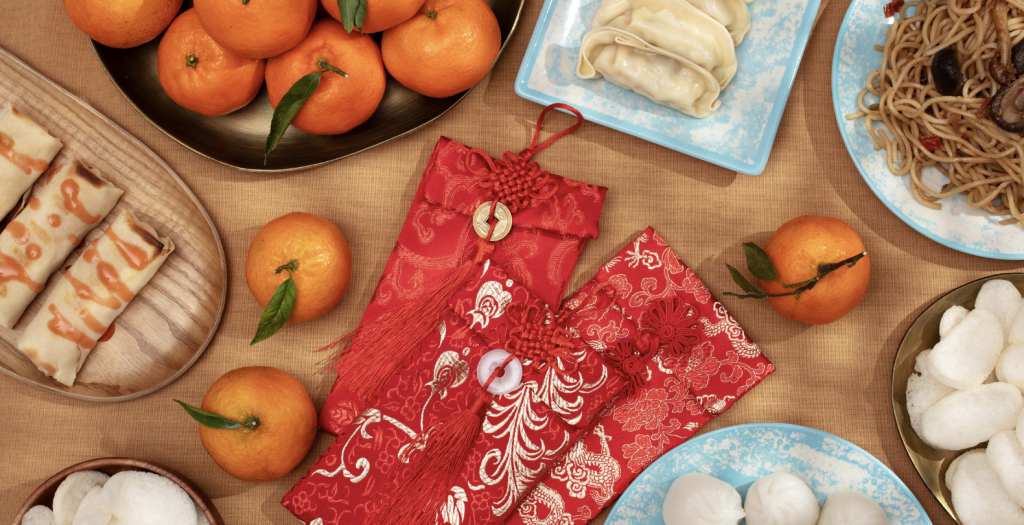
Lunar New Year is celebrated across cultures including Chinese, Vietnamese (Tết), and Korean (Seollal) with a focus on family reunion, hopes for good fortune and shared food.
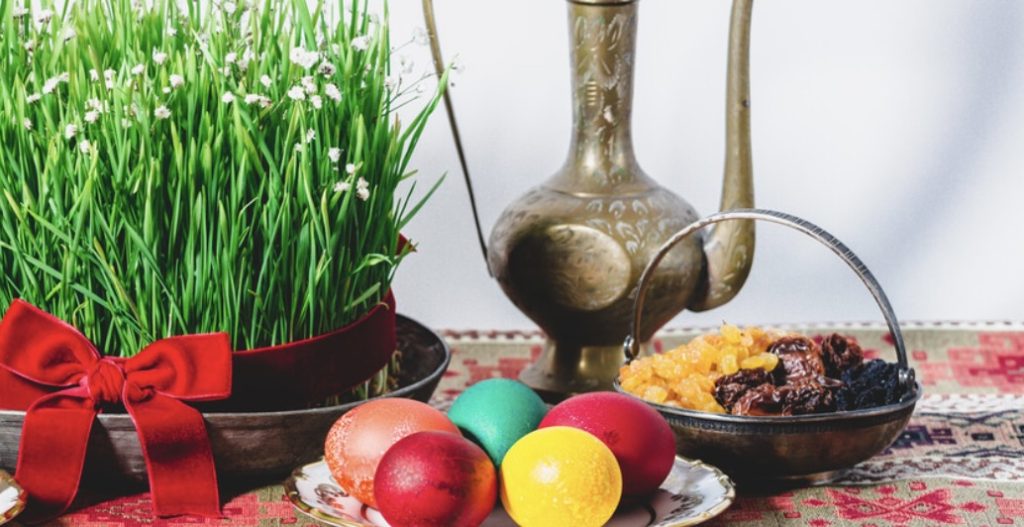
Nowruz, the Persian New Year, is celebrated by Iranian, Kurdish, Afghan, Central Asian and other communities, bringing people together to welcome spring, renewal and new beginnings.

Rosh Hashanah, the Jewish New Year, is observed by Jewish communities as a time of reflection and renewal, encouraging responsibility, ethical action and intention-setting for the year ahead.
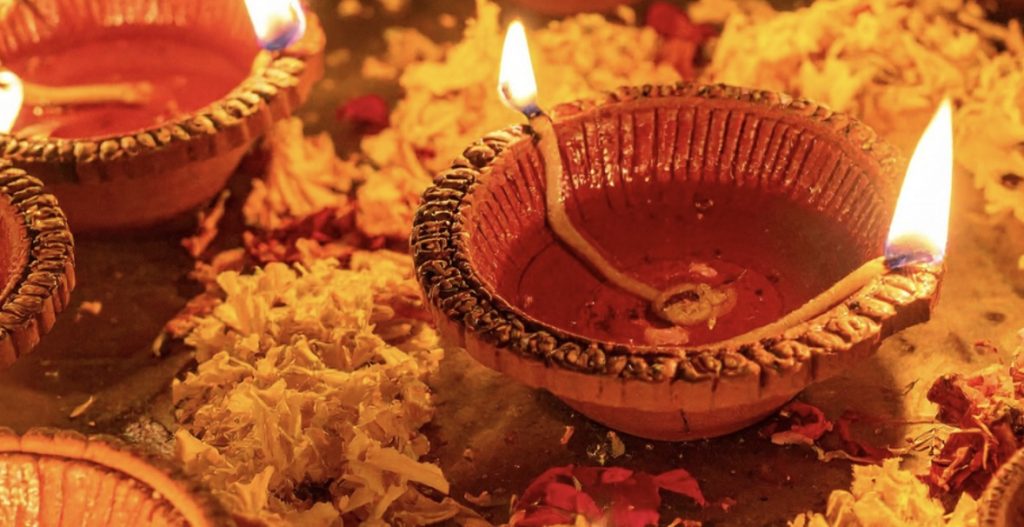
Diwali, the Festival of Lights is celebrated by Hindu, Sikh and Jain communities. It brings families together to mark renewal and prosperity through light, shared food and time together.
Practical Ways Schools Can Include Students and Families
- Begin with curiosity and respect
Educators can invite students to share their experiences of New Year (if they feel comfortable) by asking open-ended questions such as, “Does your family celebrate New Year? When?” or “What does New Year mean in your home?” Participation should always be optional, and students should never be positioned as spokespersons for a culture. This approach supports respectful dialogue while protecting students’ agency and emotional safety.
- Use a shared calendar of cultural celebrations
Classroom or whole-school calendars can include celebrations such as Lunar New Year, Nowruz, Rosh Hashanah, Diwali, Western New Year and other festivals that reflect the school community. To keep this meaningful, schools can conduct a simple cultural audit each year (for example, by surveying students and families). This helps normalise diversity as an ongoing part of school life, rather than a one-off or symbolic activity during Harmony Week.
- Partner with families as knowledge holders
Families often welcome respectful invitations to share stories, traditions or the meanings behind celebrations and foods. They may also support schools in practical ways, such as translating welcome signage or key communications. When approached thoughtfully, these partnerships build trust and reinforce schools as shared community spaces where diverse knowledge and experiences are valued.
- Connect to curriculum and wellbeing
New Year traditions can be meaningfully linked to:
- English: storytelling and reflective writing
- Humanities: calendars, migration and cultural practices
- Health & Wellbeing: goal-setting and self-reflection
- Civics & Citizenship: belonging, diversity and community
As seasons of renewal are marked at different times across communities, we invite schools to pause, listen and celebrate the diversity already within them. Together for Humanity offers migration story programs, cultural celebrations and learning experiences focused on identity and belonging, and we welcome opportunities to work alongside and support your school community.
Additional Resources
Student Activities
- Our free online learning module, Special Days, allows students to explore six personal stories of significant celebrations, and to reflect on a meaningful celebration of their own. This module is designed for lower Primary students.
- A variety of resources on both New Year celebrations across the world, and specifically on Chinese New Year collated by the Social & Citizenship Educators Association of QLD
- This short video from Global News provides an introduction to diverse New Year Celebrations.
Professional Learning
- Our free online professional learning module, Cohesion in Diversity: Developing a Sense of Belonging, explores ways to foster belonging within our schools, including ways to make the school environment reflect its commitment to diversity.
- Check out this fact sheet from Beyond Blue’s Be You platform on promoting cultural diversity in early childhood services and schools
Further Exploration
- While an international source, this article on new years’ traditions across the world by Nations Classrooms: Learning That’s Lived, is an interesting short read on some other new years’ celebrations.
- Read about the annual World Day for Cultural Diversity for Dialogue and Development, held on May 21st, and why it is important to protect the diversity of cultural expressions.
About the Author
Beau is a Chinese Australian and has lived in Australia since 2013. He lives and works in Melbourne, on Wurundjeri Country, and his work is shaped by his lived experiences of migration, belonging, and learning across cultures.
Copyright
Metadata © Together for Humanity (except where otherwise indicated). Digital content © Together for Humanity (except where otherwise indicated). Video © Together for Humanity (except where otherwise indicated). All images copyright their respective owners. Text © Together for Humanity is licensed under a Creative Commons Attribution-ShareAlike 4.0 International License (CC BY-SA 4.0).
Copyright
Metadata © Together for Humanity (except where otherwise indicated). Digital content © Together for Humanity (except where otherwise indicated). Video © Together for Humanity (except where otherwise indicated). All images copyright their respective owners. Text © Together for Humanity is licensed under a Creative Commons Attribution-ShareAlike 4.0 International License (CC BY-SA 4.0).
- Stage: All
- Curriculum: All
- Topics: Cultural Diversity